Why Finger Lakes Riesling is so Unique
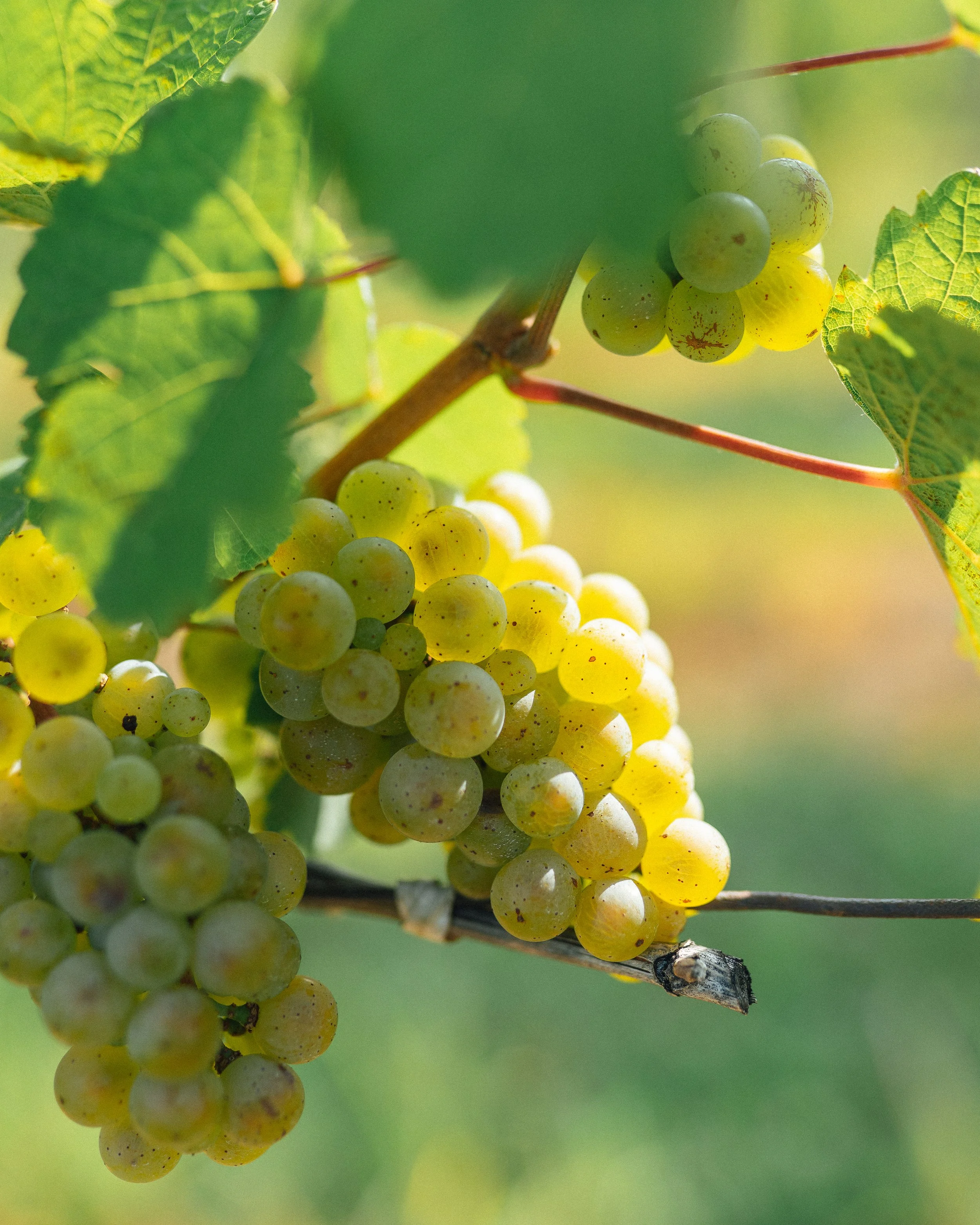
Let's be honest — the Finger Lakes has been quietly making world-class Riesling for a while now, and the rest of the world is finally catching on. Last year, Wine Enthusiast named the Finger Lakes the US Wine Region of the Year, and for those of us who live and work here, it felt like a long-overdue moment. So what's behind all the buzz? It comes down to a combination of climate, geology, and cool-climate winemaking — and once you understand it, you'll never think about Riesling the same way again.
Warm Days, Cool Nights, and One Very Deep Lake
Ask our Head Winemaker Craig Hosbach what makes this place tick, and he'll point straight to the lake:
"We have the luxury of warm days and cool nights. The size and depth of Seneca Lake moderate these two factors. The warmer but rarely hot days allow the Riesling to ripen and the cool nights maintain its famed aromatics and acidity."
That tension between warm and cool is everything. Riesling doesn't want to be coddled — it wants to work for it. And Seneca Lake makes sure it does.
The Lake is Basically a Superpower
Our President & Co-Owner Scott Osborn gets asked about Finger Lakes Riesling constantly, and his answer always starts in the same place: the water.
Seneca Lake isn't just a pretty backdrop. It's extraordinarily deep, and from 100ft deep all the way to the bottom sits a constant 40°F temperature layer that acts like a natural climate control system for everything growing on its shores — all year long.
In winter, that stored warmth keeps lakeshore vineyards significantly warmer than sites just five miles inland. (Fun fact: the last time Seneca Lake froze completely was 1912.) In spring, the still-cold lake holds nighttime temperatures down long enough to delay bud break until after the last frost — a natural safeguard that protects the vines when they're most vulnerable.
Then fall rolls around and the script flips. The lake, now warm from months of summer sun, radiates heat back into the air, extending our growing season and giving us the time to bring every last cluster to perfect ripeness before the first frost hits.
The result is a long, cool ripening season that lets Riesling build incredible flavor complexity while holding onto that bright, mouthwatering acidity. That balance of ripe fruit and vibrant acidity? That's the Finger Lakes signature.
What's Actually in the Glass
So what does all of this taste like? Finger Lakes Riesling tends to land somewhere really specific and really good:
Lime and citrus
White peach
Pear
Floral notes
Wet stone and mineral characteristics
Forget the heavy, tropical fruit bombs you might expect from warmer wine regions. Our Rieslings are crisp, energetic, and alive — the kind of wines that make you reach for another glass before you've finished the first.
It's Also About What's Under Your Feet
The glaciers that carved out these lakes didn't just leave behind beautiful scenery — they left behind something winemakers get genuinely excited about. A complex mix of shale, limestone, gravel, and schist that drain well, keep vine vigor in check, and give our wines that distinct mineral character that tasters keep coming back to. The geology here is one of our secret weapons.
One Grape, Endless Possibilities
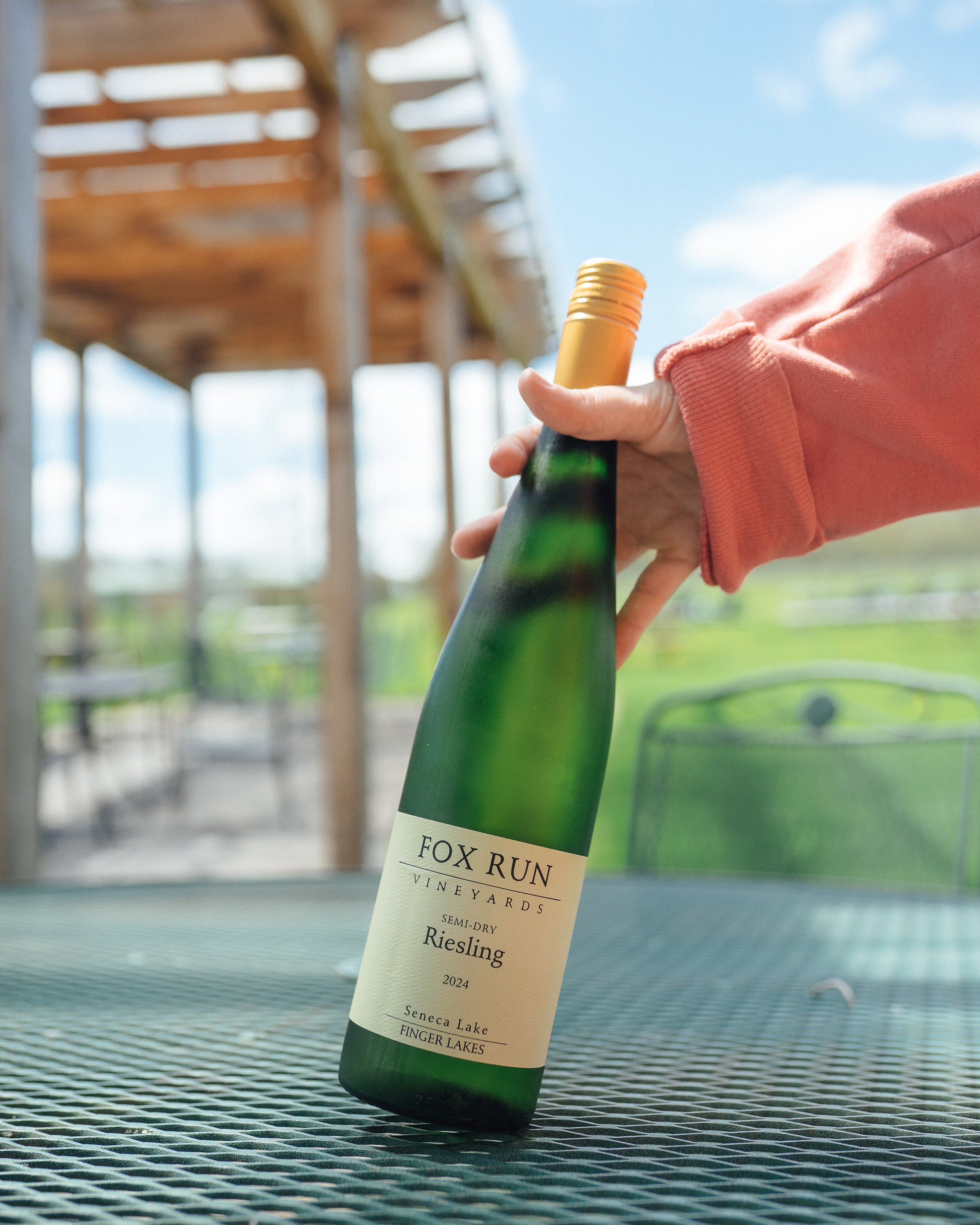
Here's something people don't always realize: Riesling is one of the most versatile grapes on the planet, and the Finger Lakes shows that off better than almost anywhere. We can make it in a huge range of styles:
Bone-dry Rieslings
Off-dry Rieslings
Late-harvest wines
Ice wines
Sparkling Rieslings
We often balance a touch of residual sugar with high acidity to create wines that feel refreshing rather than sweet — and that play beautifully with food. Seriously, there is no other wine, white or red, that is more food-friendly than Riesling. Spicy dishes, fresh seafood, cheese boards, steaks (think Thai beef, it’s all about the seasonings) — it handles all of it.
The Finger Lakes Has Arrived (and It's Not Going Anywhere)
Over the past few decades, we've become one of the most respected Riesling regions in North America — and critics are now putting us in the same conversation as the classic regions of Germany and Alsace. That didn't happen overnight, and it didn't happen by accident. It happened because of the lake, the land, and a whole lot of passion poured into every vintage.